
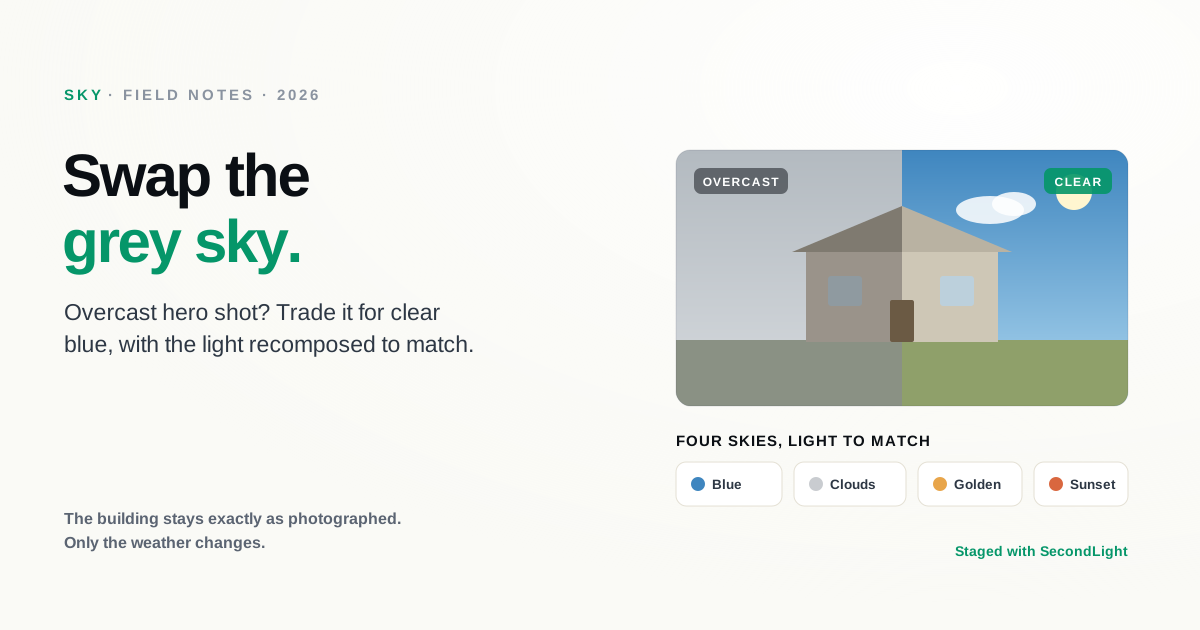
You can reschedule a lot of things in real estate. The weather is not one of them. When the exterior shoot lands on a flat grey day, the hero photo (the first image a buyer sees, the one carrying most of the click-through) comes out lifeless, and reshooting means waiting for a better sky that may be days away. Sky replacement solves that by swapping the dull overcast for a better sky, and, done properly, relighting the scene so the swap actually holds up.
What sky replacement does
At its simplest, sky replacement takes the grey out of an exterior and puts something better in its place: a clear blue, dramatic clouds, golden hour, or a sunset. The part that separates a good tool from a bad one is what happens to the rest of the photo. The foreground building stays exactly as photographed, but the ambient light recomposes to match the new sky, so the scene reads as if it were actually shot under it.
That relighting is the whole game. A blue sky pasted over a building still lit flat and grey looks instantly fake, because our eyes read the mismatch between the bright sky and the dull light on the house. When the light on the building agrees with the sky above it, the edit disappears.
Sky replacement vs. twilight conversion
These two get confused, so it is worth drawing the line. Sky replacement keeps the photo a daytime shot and swaps the daytime sky: overcast becomes blue, or dramatic, or golden. Twilight conversion takes a daytime photo and turns it into a dusk scene, with warm windows and a graded evening sky. Same family, different moods. Reach for sky replacement when the composition is fine and only the weather let you down; reach for twilight when you want the dramatic evening hero shot.
When to use it
- The hero shot is overcast. The front exterior is the highest-leverage photo in the set, and a grey sky there costs you clicks.
- You cannot reshoot. The listing has to go live, the forecast is bad, or a return trip is not worth it.
- Curb appeal is the story. Good architecture and landscaping deserve a sky that flatters them rather than a flat white ceiling.
Keeping it believable
The failure modes for sky replacement are the same ones that undo any AI edit: overdo it and it reads as fake.
- Match the sky to the place. A tropical sunset over a snowy street, or storm clouds over a listing you are selling as sunny, breaks the illusion. Pick a sky that could plausibly belong there.
- Let the light agree. Shadows and the light on the building should be consistent with where the new sun is. This is why the relighting matters more than the sky graphic itself.
- Don't oversaturate. A punchy blue is good; a radioactive one is a tell. The same restraint that keeps staged interiors believable keeps skies believable, and the signs of bad AI editing apply here too.
A note on disclosure
Swapping a grey sky for a clear one is generally treated as a weather and lighting edit rather than a misrepresentation of the property, in the same way virtual staging is treated as dressing a room. The line is the same everywhere: never edit out something real that affects the property. Removing power lines, a neighboring building, or a busy road behind the house crosses from sky replacement into misrepresentation. Change the weather, not the facts, and label the photo as edited where your MLS expects it. Our disclosure rules guide covers where that line sits.
The bottom line
A grey sky is a solvable problem, not a reason to reshoot. Sky replacement gives your hero shot the weather it deserves, as long as the light on the building recomposes to match and you keep the sky plausible. SecondLight can swap a grey overcast for a clear blue, dramatic clouds, golden hour, or sunset on Pro, with the ambient light recomposing to fit. See which plan includes it whenever you're ready.
About
Written by SecondLight Team. Issue Nº 015 of Field Notes.
Read next
Back to archive
All Field Notes